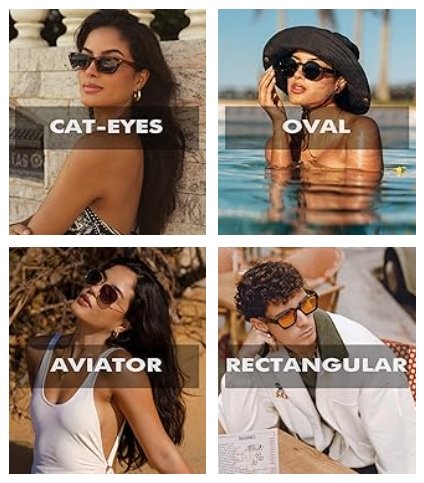
Sunglasses combine essential eye protection with personal style expression. As fashion accessories and functional gear, they continue evolving with technological advances and cultural shifts.
The year 2025 brings bold new directions in eyewear design, from vibrant lens colors to sustainable materials. Understanding sunglasses’ rich history alongside current innovations helps appreciate why these accessories remain indispensable.
Historical Origins and Modern Evolution
Fact 1: Ancient Chinese Innovation
The earliest sunglasses appeared in 12th century China, where judges wore smoke-tinted quartz lenses during court proceedings. These primitive eyepieces served a unique purpose: concealing facial expressions to maintain impartiality during trials. Chinese craftsmen created these lenses by holding quartz crystals over smoke until they darkened sufficiently. This judicial accessory spread throughout Chinese courts, establishing sunglasses as tools for psychological advantage rather than sun protection.
The concept evolved significantly over centuries. By the 18th century, James Ayscough experimented with tinted lenses, believing blue and green tints could correct vision impairments. His work laid groundwork for modern tinted eyewear, though UV protection remained undiscovered.
Fact 2: The Polarization Revolution
Edwin Land transformed sunglasses technology in 1929 by inventing polarized lenses. His breakthrough came while observing dangerous glare affecting drivers on American highways. Land developed a filter using aligned crystals that blocked horizontal light waves – the primary cause of glare from roads, water, and snow.
Polarization benefits include:
- Reduced eye strain during driving
- Enhanced contrast and color perception
- Improved visibility in bright conditions
- Protection from reflected UV rays
This technology initially targeted automotive safety but quickly expanded to fishing, skiing, and general outdoor activities. Today’s polarized sunglasses incorporate Land’s principles with advanced materials, offering superior optical clarity.
Fact 3: Digital Age Protection
Blue-light-blocking sunglasses represent the newest frontier in eye protection. Social media platforms, particularly TikTok, popularized these specialized lenses as screen time increased dramatically. Modern blue-light glasses filter high-energy visible light emitted by digital devices, potentially reducing:
- Digital eye strain symptoms
- Sleep disruption from evening screen use
- Headaches associated with prolonged computer work
- Long-term retinal damage risks
The 2025 market sees blue-light protection integrated into fashionable frames. Transparent and lightly tinted options allow indoor wear while maintaining style. Key features include:
| Lens Type | Blue Light Blocked | Best Use Case |
|---|---|---|
| Clear | 20-40% | Office work, minimal tint preference |
| Yellow | 50-70% | Gaming, extended screen time |
| Amber | 70-90% | Evening use, maximum protection |
| Gradient | Variable | Versatile daily wear |
Fact 4: Aviation Heritage Reimagined
Aviator sunglasses originated in the 1930s through a partnership between Bausch & Lomb and the U.S. Army Air Corps. Pilots needed eye protection at high altitudes where UV exposure intensified. The teardrop shape maximized coverage while accommodating oxygen masks and flight helmets.
Original aviators featured:
- Green-tinted mineral glass lenses
- Thin metal frames for minimal weight
- Adjustable nose pads for comfort
- Cable temples that wrapped behind ears
The 2025 aviator renaissance introduces bold updates to this classic design. Colorful acetate frames replace traditional metal, offering vibrant options like:
- Translucent pink and blue combinations
- Tortoiseshell patterns with neon accents
- Matte black with colored temple tips
- Gradient frames transitioning between hues
Modern aviators maintain the iconic shape while experimenting with materials and proportions. Oversized versions create dramatic statements, while miniature interpretations offer subtle nods to the classic style.
Fact 5: Sustainable Innovation
Environmental consciousness drives significant changes in sunglasses manufacturing. Sustainable eyewear addresses growing consumer demand for eco-friendly products without sacrificing style or quality. The industry responds with innovative materials and production methods.
Sustainable materials gaining traction:
- Recycled ocean plastic: Collected marine waste transformed into durable frames
- Biodegradable acetate: Plant-based materials that decompose naturally
- Bamboo: Fast-growing, renewable resource for lightweight frames
- Cork: Harvested bark creating unique textures and patterns
- Recycled metals: Reclaimed aluminum and steel reducing mining impact
Production innovations include:
- Solar-powered manufacturing facilities
- Water-based adhesives replacing chemical bonds
- Minimal packaging using recycled materials
- Carbon-neutral shipping options
- Repair programs extending product lifespan
Consumer interest in sustainability metrics shows purchasing decisions increasingly factor environmental impact alongside style and price. Brands responding to this shift report stronger customer loyalty and positive brand perception.
Defining Trends for 2025
Vibrant Tinted Lenses
Colored lenses dominate 2025’s eyewear landscape, moving beyond traditional brown and gray options. Yellow-tinted lenses lead this movement, offering both aesthetic appeal and functional benefits. These “butter yellow” lenses enhance contrast in low-light conditions while creating a warm, nostalgic visual effect.
Trending tint options:
- White/Clear tints: Subtle color shift with maximum versatility
- Rose gold: Flattering warmth for all skin tones
- Sage green: Natural, calming aesthetic
- Lavender: Soft, romantic appeal
- Sunset gradient: Orange to pink transitions
Each tint serves specific purposes beyond fashion:
| Tint Color | Light Conditions | Activity Benefits |
|---|---|---|
| Yellow | Overcast, dawn/dusk | Enhances depth perception |
| Rose | Variable | Reduces eye fatigue |
| Green | Bright sun | True color perception |
| Blue | Moderate sun | Calming effect |
| Orange | Hazy conditions | Increases contrast |
Statement Chains
Eyewear chains transform from purely functional accessories to fashion statements. The 2025 interpretation goes beyond basic retainers, incorporating:
Chain styles trending this year:
- Chunky gold links reminiscent of jewelry
- Beaded designs with semi-precious stones
- Mixed metal combinations
- Leather and fabric hybrids
- Detachable options for versatility
Practical benefits complement aesthetic appeal. Chains prevent loss during activities, eliminate the need for cases when transitioning between indoor and outdoor spaces, and add personality to minimalist outfits. Social media influencers showcase creative styling, wearing chains as necklaces when sunglasses rest atop heads.
Y2K Revival
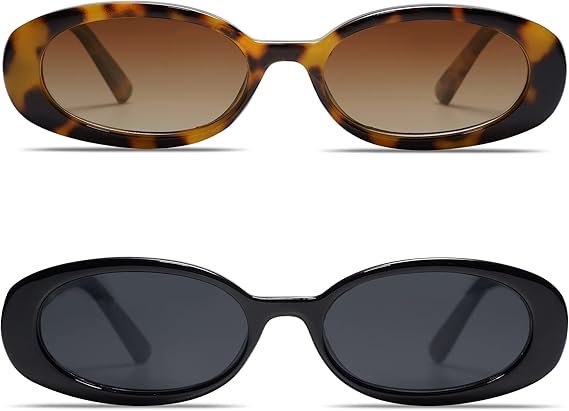
The early 2000s aesthetic returns with distinctive eyewear silhouettes. Slim rectangular frames and narrow oval shapes dominate TikTok’s “office siren” trend, channeling corporate chic with modern updates. These frames differ from their original iterations through:
- Higher quality materials resisting warping
- Updated proportions flattering contemporary styling
- Integrated nose pads for improved comfort
- Gradient and colored lens options
- Mixed material construction
Key Y2K-inspired styles:
- Matrix-style rectangles: Ultra-slim profiles in black or metallic finishes
- Tiny ovals: Barely-there coverage for bold fashion statements
- Wraparound shields: Futuristic single-lens designs
- Colored transparent frames: Jelly-like materials in bright hues
- Logo-heavy temples: Brand names as decorative elements
This revival appeals to both those who experienced the original trend and younger consumers discovering it fresh. The aesthetic pairs well with minimalist wardrobes, adding unexpected edge to simple outfits.
Technology Integration
Smart sunglasses represent the intersection of fashion and technology. While maintaining stylish appearances, these frames incorporate:
- Built-in speakers for music and calls
- Fitness tracking capabilities
- UV exposure monitoring
- Prescription lens compatibility
- Voice assistant integration
The challenge lies in balancing functionality with aesthetics. Successful smart sunglasses look indistinguishable from traditional frames while offering connected features. Battery life improvements and miniaturized components make 2025’s offerings more practical than earlier attempts.
Cultural Impact and Social Media
Sunglasses trends spread rapidly through social media platforms. Instagram and TikTok influencers showcase styling techniques, creating viral moments around specific frames or wearing methods. User-generated content drives organic brand discovery, with hashtags like #SunglassesStyle and #EyewearTrends generating millions of views.
Social media’s influence includes:
- Virtual try-on filters increasing purchase confidence
- Styling tutorials demonstrating versatility
- Celebrity endorsements reaching global audiences
- Trend cycles accelerating from years to months
- Direct-to-consumer brands bypassing traditional retail
Shopping Considerations for 2025
Modern consumers expect comprehensive shopping experiences. Online retailers provide detailed measurements, virtual consultations, and generous return policies. Physical stores offer professional fittings and immediate gratification. The most successful brands combine both channels seamlessly.
Features shoppers prioritize:
- Sustainable materials and production
- Customization options
- Blue light protection
- Prescription lens availability
- Warranty and repair services
Price points vary dramatically, from budget-friendly options under $50 to luxury frames exceeding $500. Value perception depends on material quality, brand reputation, and included features rather than price alone.
Future Outlook
The sunglasses industry continues evolving with technological advances and changing consumer preferences. Anticipated developments include:
- Advanced lens coatings providing multiple benefits
- 3D-printed custom frames
- Augmented reality integration
- Self-tinting lenses responding to UV exposure
- Biodegradable materials becoming standard
These innovations promise exciting possibilities while maintaining sunglasses’ core purpose: protecting eyes while expressing personal style.
The convergence of history, technology, and fashion creates today’s dynamic sunglasses market. From ancient Chinese courtrooms to modern sustainable manufacturing, eyewear evolution reflects broader cultural shifts.
The 2025 trends honor this heritage while pushing boundaries in design, materials, and functionality. Whether choosing vibrant tinted lenses, statement chains, or Y2K-inspired frames, consumers find options aligning with personal values and aesthetic preferences. As social media accelerates trend adoption and sustainability becomes non-negotiable, the sunglasses industry adapts to meet evolving demands while maintaining its essential role in both protection and self-expression.